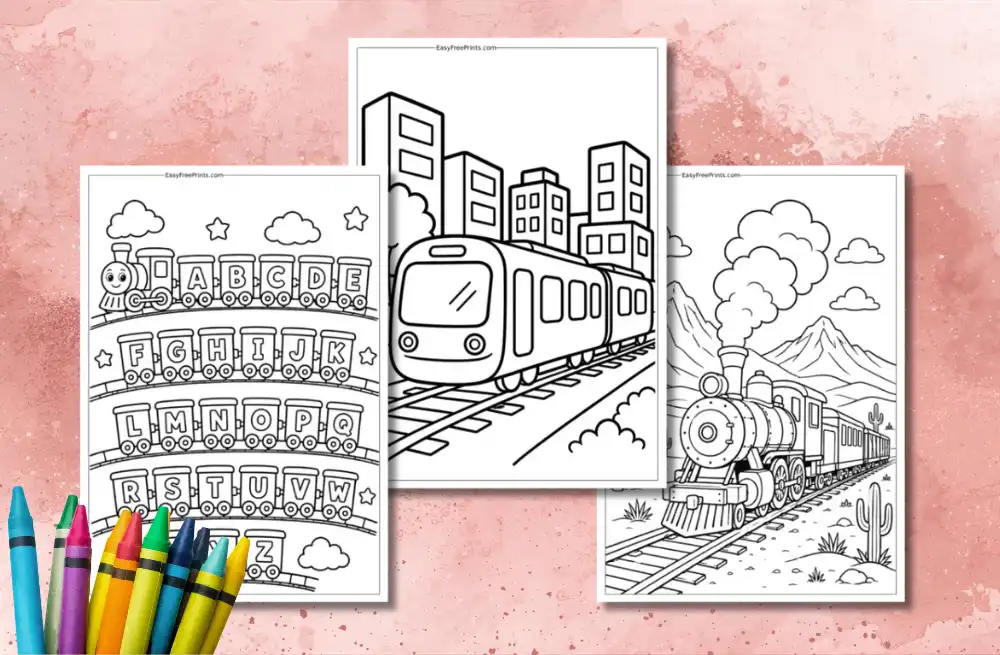
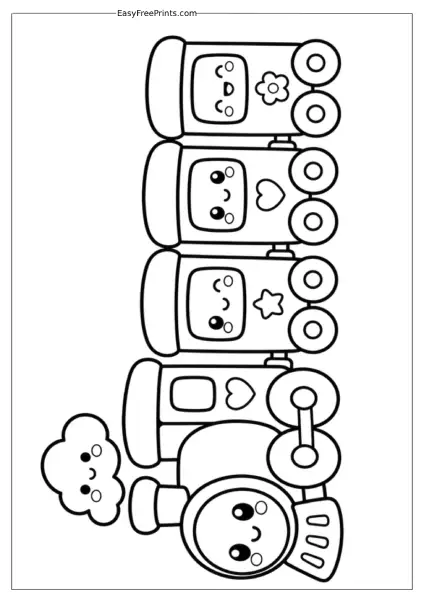
All aboard for some coloring fun! Explore our collection of free train coloring pages featuring steam trains, modern locomotives, cute cartoon trains, and more.
Simply choose your favorite designs, download the PDF, and start coloring.
How to download and color train pages
All of our train coloring pages are available as high-resolution printable PDFs. Simply pick your favorite train design below, click the print button, and start your artistic journey.
Print and color on traditional paper
- Click the download or print button underneath your chosen train design to open the high-quality PDF.
- Load standard letter paper into your printer and select the print option inside your web browser or PDF viewer.
- Grab your favorite colored pencils, markers, or crayons to fill in the locomotives, tracks, and background landscapes.
Color digitally on a tablet, iPad, or mobile device
- Download the high-resolution train PDF directly to your device storage.
- Open your preferred digital art application, such as Procreate, Sketchbook, or GoodNotes, and import the downloaded file.
- Create a completely separate new layer underneath the original black outlines so you can paint without covering up the train details.
These train printables are completely free for personal, home, and educational classroom use. Please do not redistribute, sell, or host these digital PDF files on any other public websites or platforms.
Train Coloring Pages
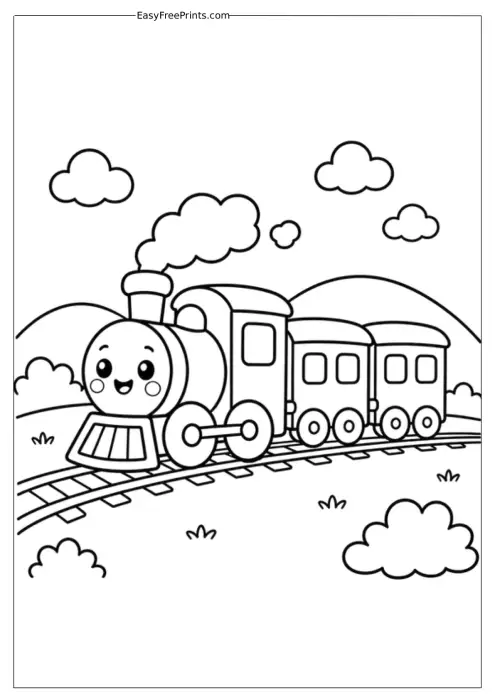
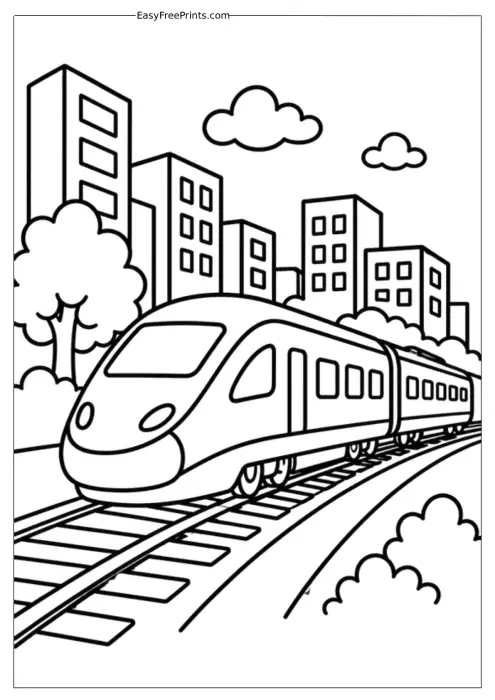
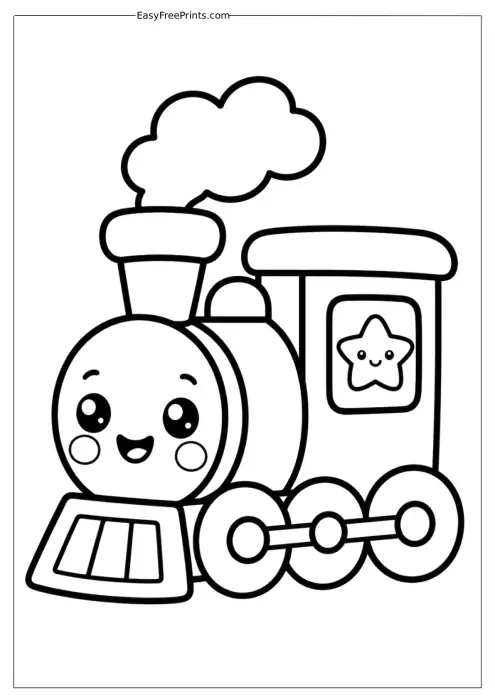
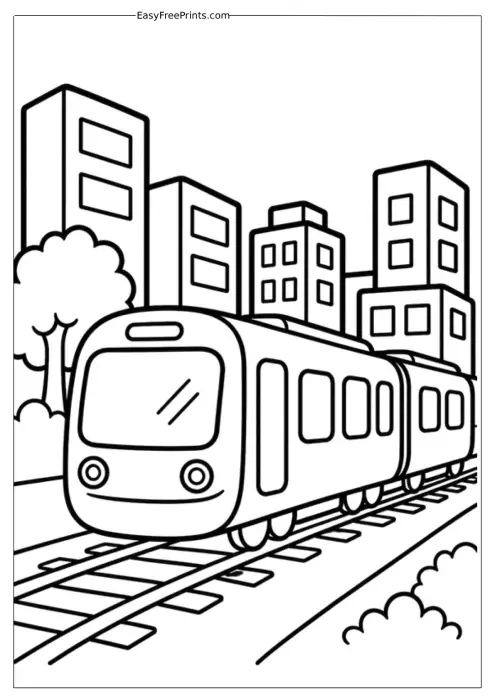
Did you know? The first steam trains were invented over 200 years ago. Today, trains can travel at speeds of over 300 km/h (186 mph)! As you color, think about where your train is going and who might be riding on it.
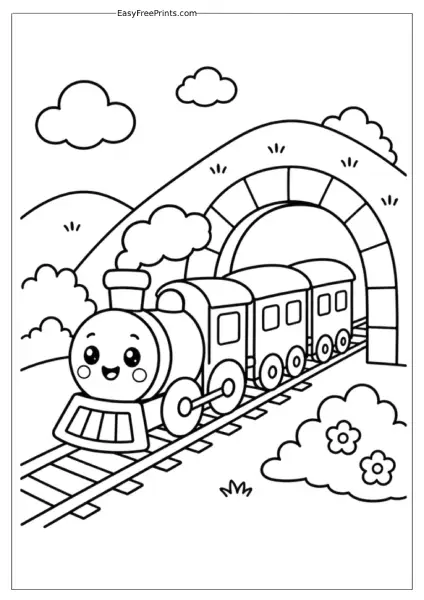
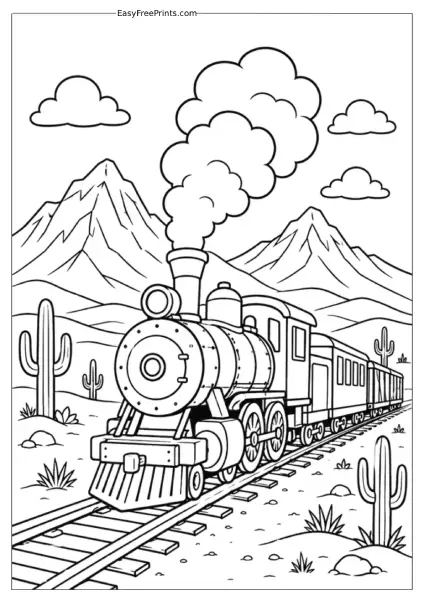
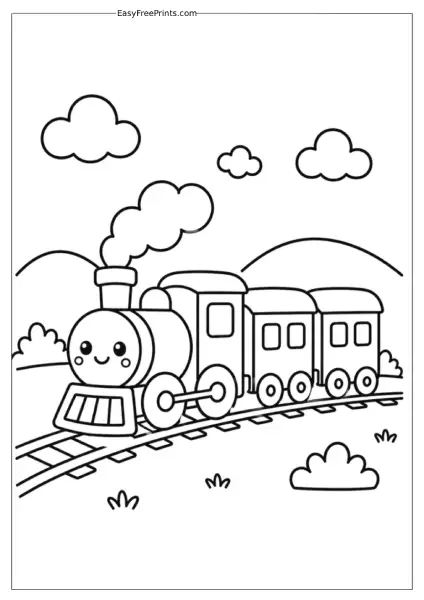
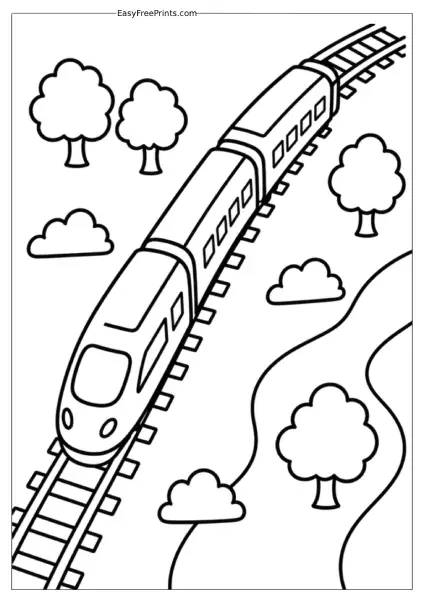
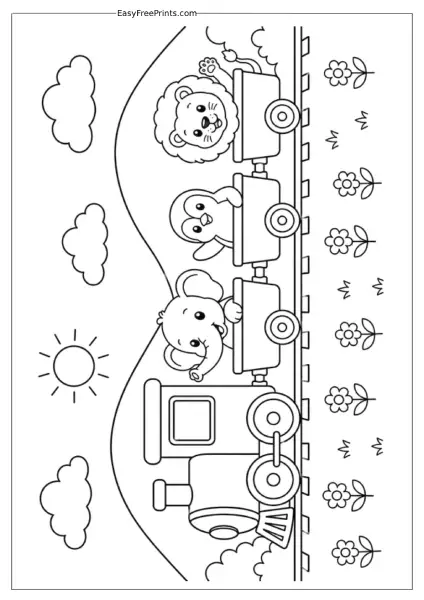
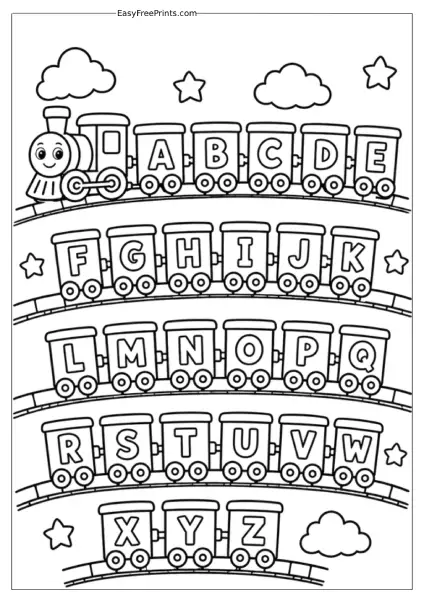
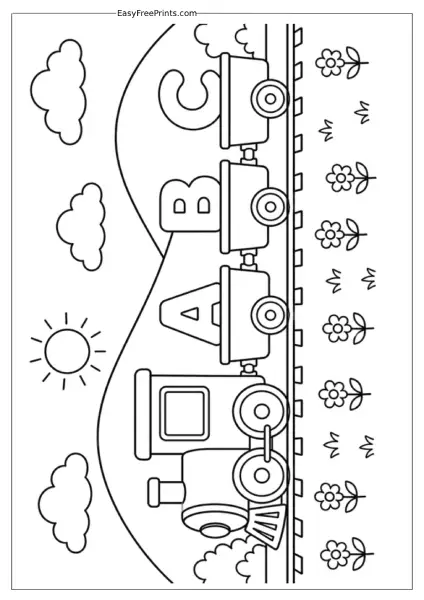
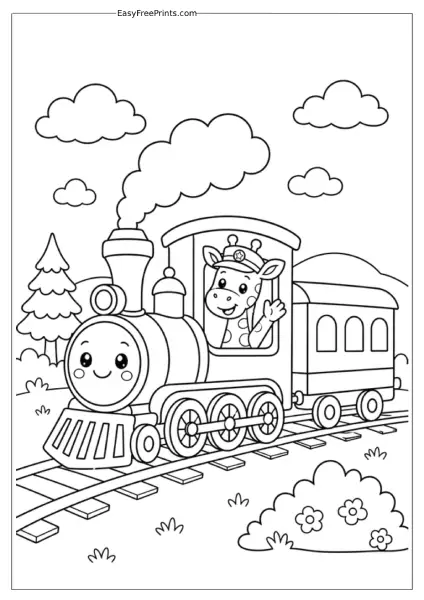
Coloring train pages can help children practice fine motor skills, hand-eye coordination, and color recognition. Encourage kids to experiment with different color combinations to make each train one of a kind.
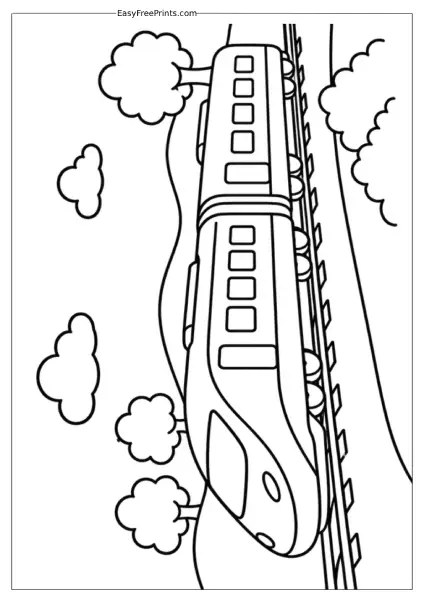
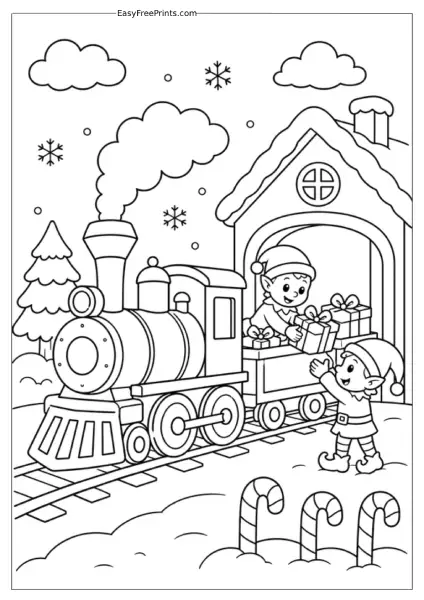
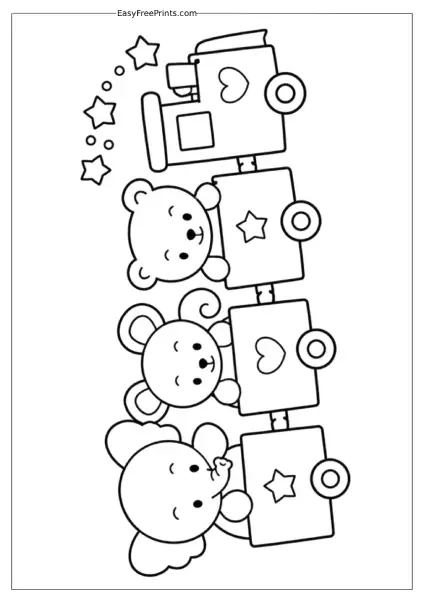
Train Coloring Tips
Want to make your train coloring pages even more exciting? Try using bright colors for passenger trains, classic black and red for steam locomotives, or your own custom color scheme.
You can also add details like train stations, railroad crossings, mountains, clouds, and passengers to create a complete scene.
For extra creativity, use colored pencils for shading or markers for bold, vibrant colors that bring your train to life.
Fun Train Facts for Kids
Click the button below to start discovering amazing secrets about trains!
Learn More About Trains
Trains have been shaping the way people travel and transport goods since the early 1800s.
Long before cars and airplanes became common, railroads connected cities, moved supplies across countries, and helped communities grow. Even today, trains remain one of the most efficient and reliable forms of transportation in the world.
At the heart of every train is the locomotive, the vehicle that provides the power needed to pull the train. Modern locomotives can move dozens of railcars at once, carrying everything from passengers and automobiles to food, fuel, and construction materials. Some freight trains stretch for more than a mile, making them among the largest moving vehicles on Earth.
One reason trains are so important is their efficiency. A single train can carry the same amount of cargo as hundreds of trucks while using less fuel per ton transported.
This makes rail transport a key part of global trade and supply chains. Many of the products people use every day spend at least part of their journey on a train before reaching stores and homes.
Passenger trains continue to play a major role in transportation as well. In many countries, high-speed rail networks connect major cities, allowing people to travel quickly and comfortably without flying. Some of the fastest trains can reach speeds of more than 300 km/h (186 mph), making rail travel a practical alternative for many journeys.
The history of trains is equally fascinating. Early steam locomotives transformed transportation during the Industrial Revolution, helping move raw materials, manufactured goods, and people faster than ever before. Railroads expanded across continents, opening new trade routes and making travel more accessible to ordinary people.
Trains are also an impressive example of engineering. Railroad tracks, bridges, tunnels, signaling systems, and locomotives must all work together with precision to keep trains running safely and efficiently.
Behind every train journey is a vast network of technology and infrastructure designed to move people and goods from one place to another.